
Lithium Battery Fire Safety & Preparedness Solutions
Lithium Batteries Have
Changed Fire Safety
Specialized Protection for a Battery-Powered World
-
-
- Phones.
- Tablets.
- Chromebooks.
- Power tools.
- Golf carts.
- Forklifts.
- Electric vehicles.
- Battery Energy Storage Systems.
Lithium-ion batteries power the devices, equipment, and infrastructure we rely on every day. As battery adoption continues to accelerate, organizations face new fire safety challenges associated with thermal runaway, hazardous off-gassing, re-ignition risks, and concentrated battery storage.
-
Thermal Runaway
Hazardous off-gassing
Hydrogen Fluoride
Re-ignition risks
Operational Downtime
Complex Response
Industries We Serve
Lithium Battery Risks Exist Across Every Industry
Lithium-ion batteries are now embedded in everyday devices, transportation, material handling, industrial equipment, energy storage, and emergency response environments.
Schools & Universities
Chromebooks, tablets, charging carts, STEM labs, maintenance equipment, and district technology programs.
Warehouses & Material Handling
Electric forklifts, pallet jacks, charging infrastructure, distribution facilities, and battery storage locations.
Golf Courses & Cart Operations
Golf cart fleets, charging stations, dealers, rental fleets, and maintenance operations.
Marine & Marina Applications
Yachts, battery banks, trolling motors, charging systems, marina operations, and electronics.
BESS Facilities
Commercial and utility-scale battery storage installations with concentrated lithium-ion battery systems.
Manufacturing & Industrial
Battery manufacturing, robotics, battery-powered equipment, charging infrastructure, and production operations.
Landfills & Recycling
Battery-containing waste streams, transfer stations, recycling operations, and material recovery centers.
Fire Departments
EV response, energy storage incidents, preparedness training, and thermal runaway response.
Homes & Families
Phones, laptops, tablets, e-bikes, chargers, power tools, and personal electronics.
Lithium Battery Fires Are Different
The Fire You See Isn't Always The Only Concern
Traditional fires typically involve removing heat, fuel, or oxygen
Lithium-ion battery incidents introduce additional challenges
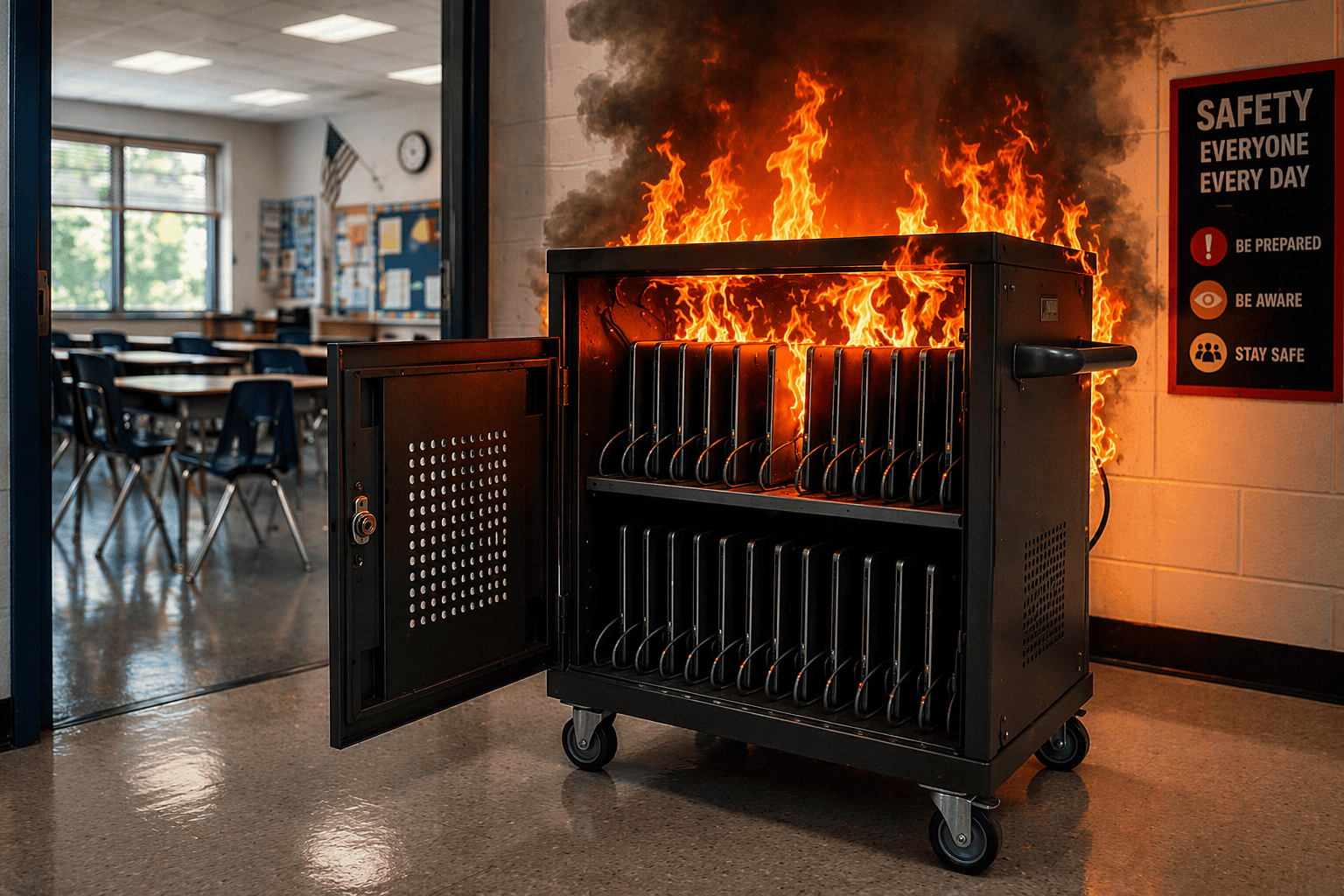
When a battery cell fails internally, heat begins developing from within the battery itself. Under certain conditions that heat can trigger thermal runaway, creating a chain reaction that rapidly spreads between cells.
A Lithium Battery Incident May Involve
Extreme Heat Generation
Cell-to-Cell Propagation
Toxic Byproducts
Extended Cooling
Thermal Runaway
Hazardous Off-Gassing
Re-Ignition Risks
Damage Beyond Origin
Beyond the Flames
Hidden Risks of Battery Incidents
Battery safety planning is not simply about suppressing visible flames. The overall incident can involve contamination, corrosive compounds, smoke migration, cleanup, and downtime.
Hazardous Gases
Thermal runaway may create hazardous off-gassing and airborne contaminants.
Smoke Migration
Smoke and byproducts can move beyond the point of origin and affect surrounding areas.
Cleanup Challenges
Battery incidents can create complex post-event cleanup and facility recovery requirements.
Business Downtime
Operational disruption may continue long after visible flames are extinguished.
Real-World Lithium Battery Incidents
These Fires Are Already Happening
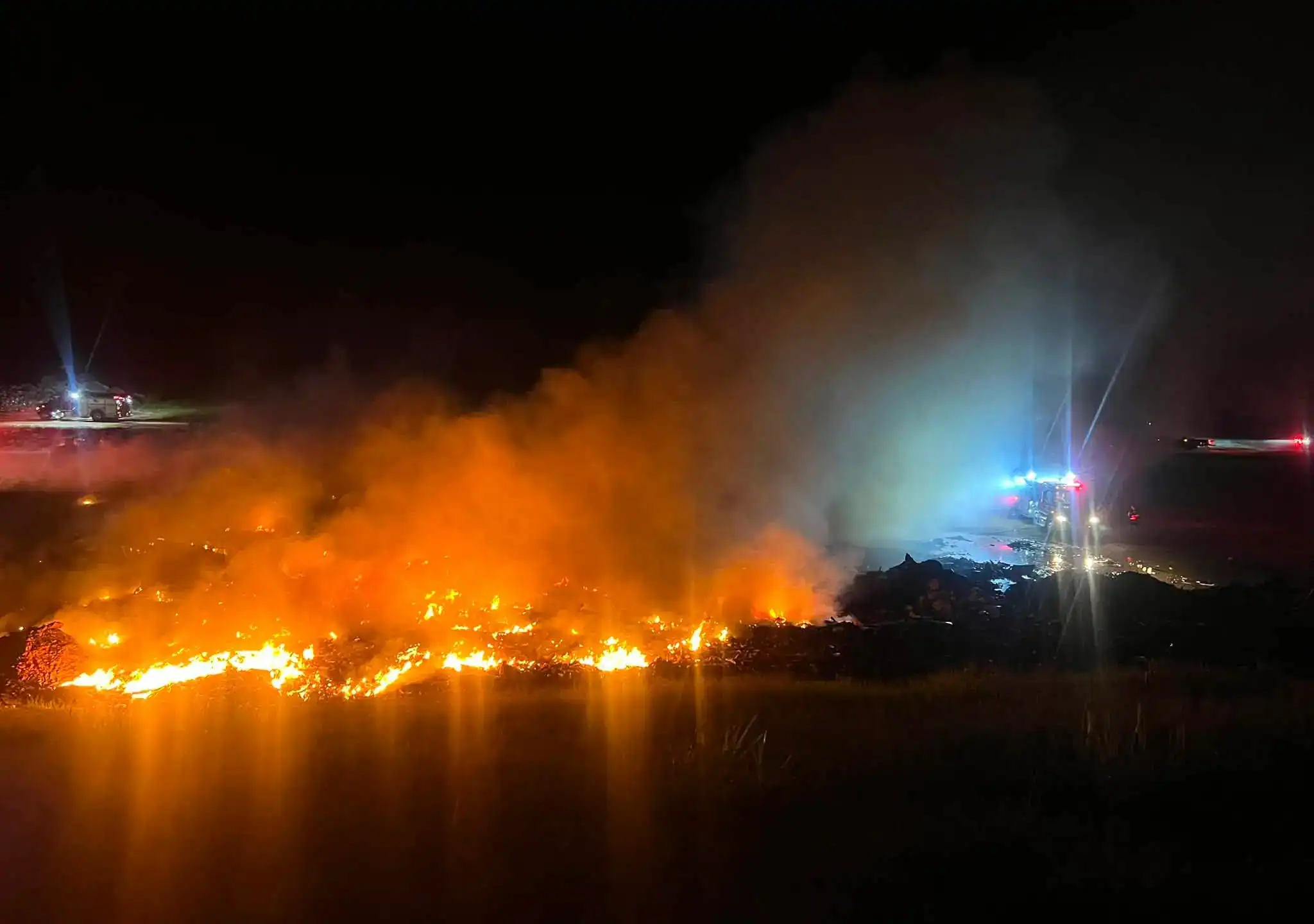
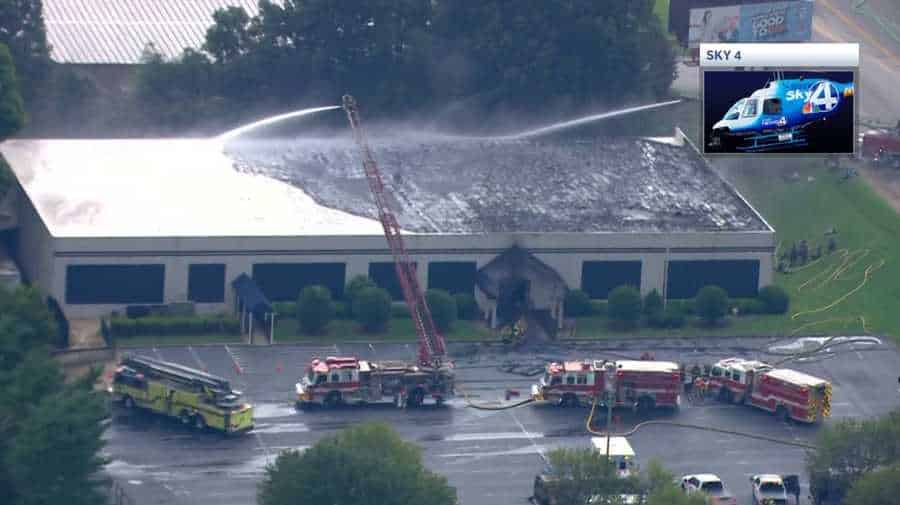
Lithium-ion battery incidents are no longer isolated events.
Across the Southeast, communities, businesses, first responders, ports, warehouses, and waste facilities are encountering battery-related fires involving thermal runaway, charging systems, EVs, energy storage systems, and improperly discarded batteries.


Why FCL-X
Suppression Solutions Designed Around Lithium Battery Challenges
Most fire suppression discussions focus on extinguishing flames.
Lithium-ion battery incidents involve additional concerns including thermal runaway, propagation between cells, hazardous off-gassing, hydrogen generation, and re-ignition potential.
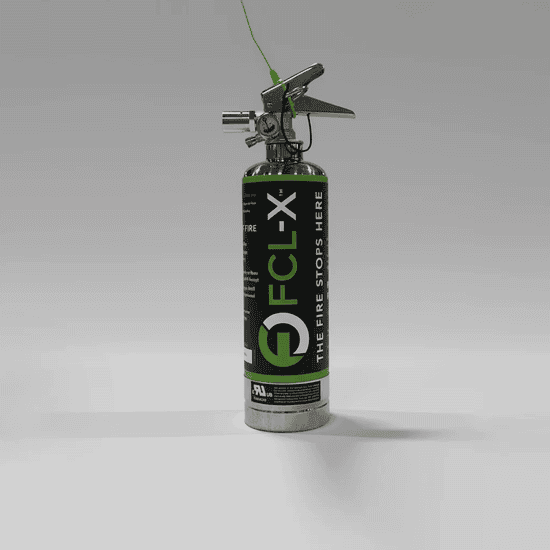
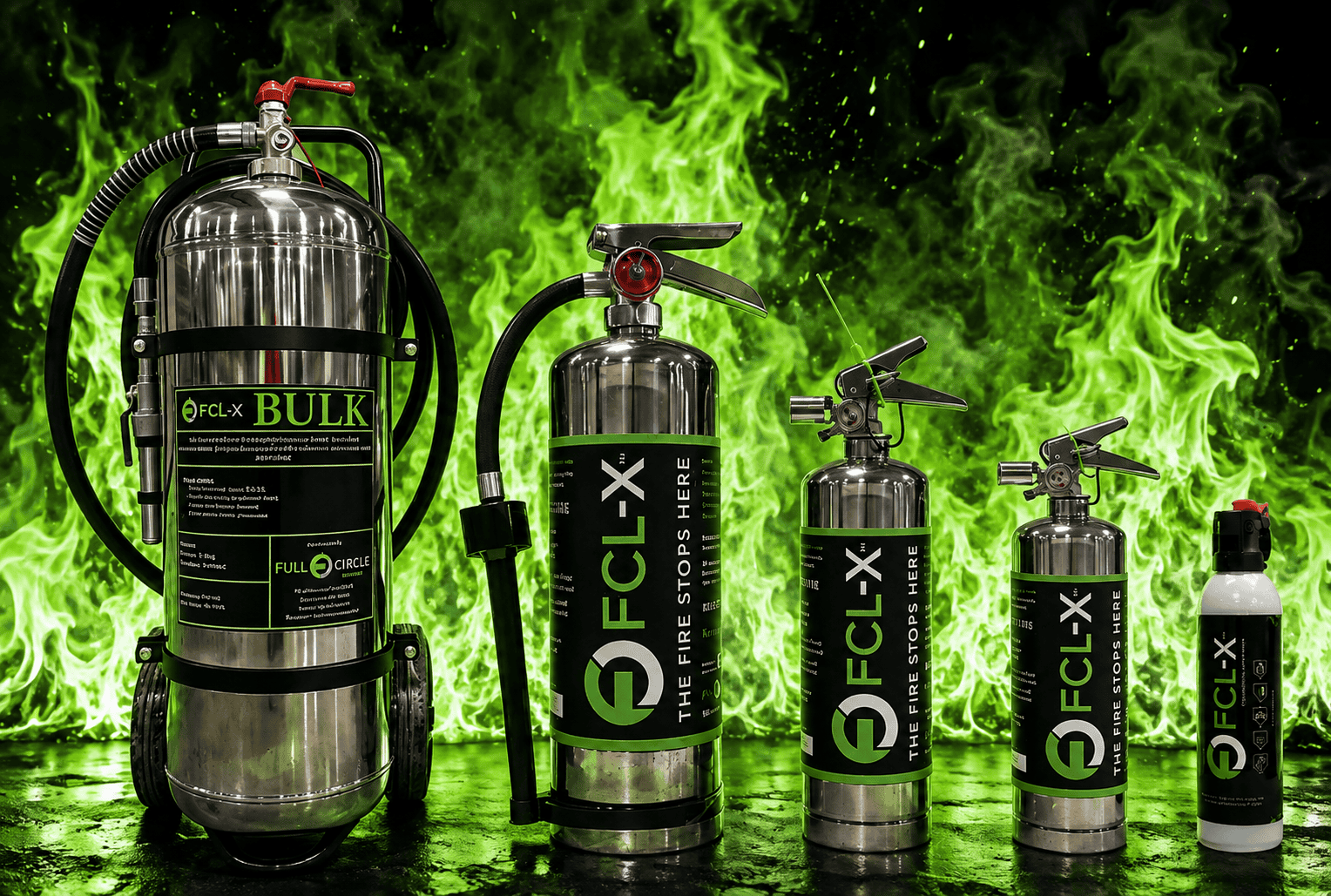
According to manufacturer information, FCL-X was specifically developed to address lithium-ion battery fire behavior. The technology is designed to cool battery incidents, interrupt thermal runaway progression, reduce re-ignition potential, suppress hydrogen generation, reduce hazardous off-gassing, and neutralize hydrogen fluoride (HF) generated during certain battery failure events. It is also designed to penetrate battery structures and address incidents at the cell level.
Rapid Cooling Performance
Thermal Runaway Mitigation
Reduced Re-Ignition Potential
Reduced Hazardous Off-Gassing
Hydrogen Generation Suppression
Hydrogen Fluoride (HF) Neutralization
Battery-Specific Suppression Technology
PFAS-Free Product Options
Product Selection Guide
Which Solution Is Right For Your Environment?
Personal Use
Homes, Vehicles & Personal Electronics

Service & Maintenance
Workshops, Service Vehicles & Maintenance Departments
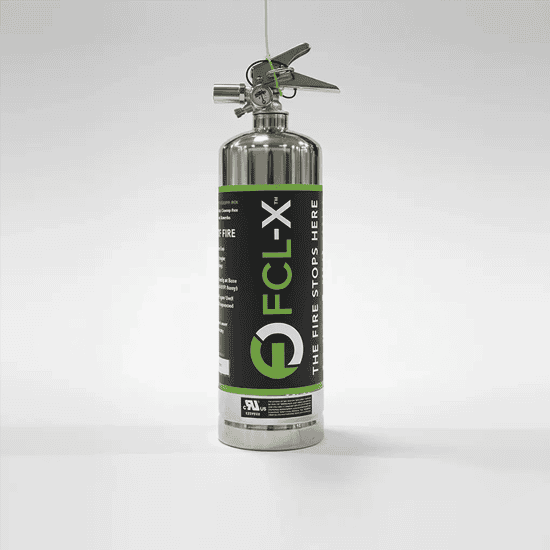
Education
Schools & Technology Programs
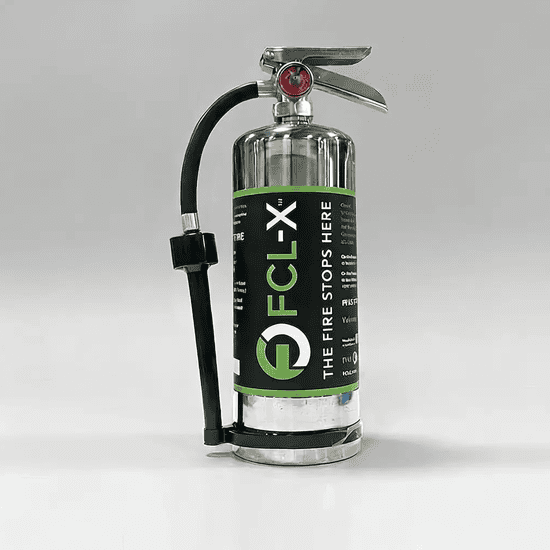
Fleet Operations
Golf Cart Fleets & Forklift Operations
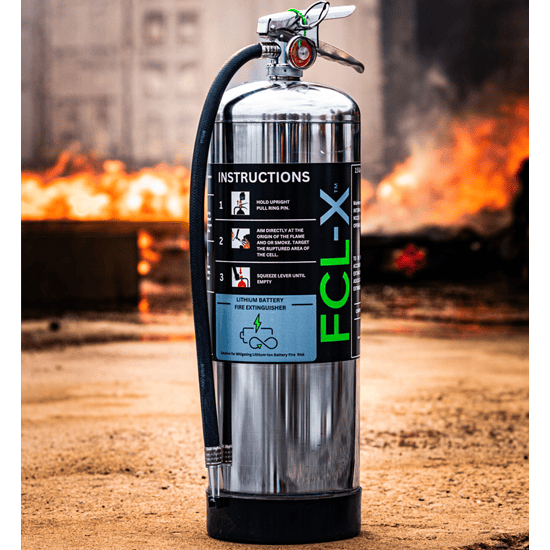
Industrial
Warehouses & Industrial Facilities
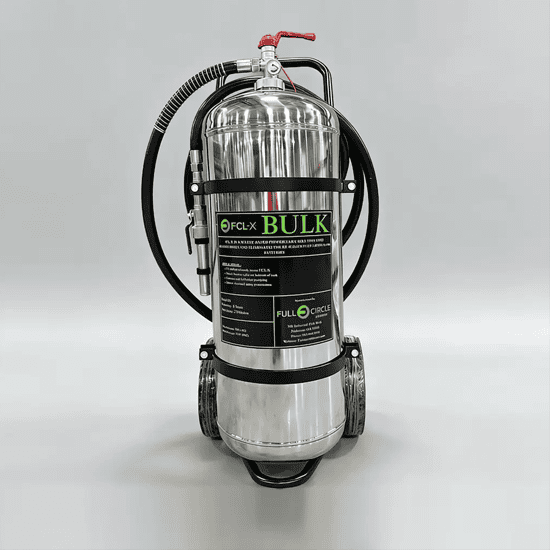
Large-Scale Response
Fire Departments, BESS Facilities & Large-Scale Hazards


Watch Real Battery Fire Demonstrations
See Thermal Runaway In Action
Validation, Testing & Technical Resources
Supported By Testing, Documentation & Real-World Evaluation
Product Data Sheets
Safety Data Sheets (SDS)
Technical Specifications
Product Literature
Application Information
Manufacturer Testing Documentation
Product Validation Resources
Why Low Country Lubricants
Family-Owned. Community-Focused.
Whether you’re protecting a school district, warehouse, landfill, marina, golf cart fleet, Battery Energy Storage System, manufacturing facility, fire department, or your family’s devices, our team can help identify the right solution for your environment.